Hey everyone, if you’ve been hanging around the pig farming industry or following animal welfare chats lately, you’ve probably heard the big debate: gestation crates. As someone who runs a gestation crate supply business—yes, that’s what I do, I build and sell those enclosures used for pregnant sows—I’m not here to sell you a product blindly or throw shade at anyone arguing either side. I’m here to talk straight about what I actually believe my ethical responsibilities are, because at the end of the day, this isn’t just about metal and plastic; it’s about animals, the farmers who rely on my crates, and the public that cares deeply about how livestock is treated. Gestation Crate
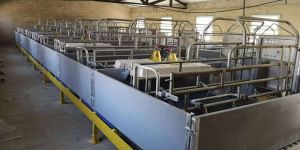
First off, let’s get real about what gestation crates actually are, no fancy jargon. They’re narrow, individual stalls that keep pregnant sows from fighting or injuring each other. For context, a lot of people only hear the “they’re tiny torture chambers” take, but I’ve been doing this for 12 years, and I’ve seen firsthand that when sows are in groups during gestation, they’ll bite each other’s ears, push each other so hard some get lame, and even abort piglets because of stress. That said, I also know the welfare concerns people raise aren’t made up. The AI stuff about “no ethical standards” is garbage—real vets, real animal scientists have been studying this forever, and that’s where my job and my ethics start: listening to the vets who actually work with these animals every day.
My first big ethical responsibility, no cap, is working directly with vets to design crates that meet the animals’ physical and mental needs, not just the farmer’s bottom line. A few years back, a pork producer in Iowa called me up saying their vet had flagged that some of the older crates we were selling were causing sore hocks because the flooring was too hard and the stalls didn’t give the sows enough room to turn their heads without bumping the edges. So I didn’t just brush it off— I took that vet’s notes, teamed up with a veterinary animal welfare specialist at a land-grant university, and reworked our crate design. We widened the feed openings so sows don’t have to stretch awkwardly, added non-slip, rubberized flooring that’s gentler on joints, and made the stalls just big enough that a sow can shift her weight a little without getting stuck. We didn’t raise the price much, because at the end of the day, if my crates are hurting the animals, I don’t want to sell ’em. That’s not just business—that’s ethics.
Another thing I’m obligated to do, as a supplier who works with vets, is never overpromise or mislead about what these crates can and can’t do. A while back, a guy from a startup farm reached out asking for “crates that let sows run around all day.” I told him straight up—no, gestation crates aren’t group housing, and they never will be. But what they can do is reduce injury, keep sows calm enough to actually eat well, which means they have healthier piglets later. The vet I work with confirmed that, too. I didn’t get that sale, but I’d rather lose a sale than lie to someone about what my product is, especially when it comes to animal welfare. Vets hate when industry folks overhype products to farmers, and as someone who’s supposed to collaborate with vets, I can’t do that.
Now, let’s talk about the flip side—animal welfare and transparency, because that’s the part a lot of folks don’t see. I know a lot of people think all gestation crate suppliers just ship boxes and disappear, but I make it a point to connect every customer I work with to a local vet who specializes in swine care. Why? Because a crate is only as good as how it’s used. If a farmer is stacking crates too high, or not cleaning them regularly, or leaving feeders empty, that’s not a crate problem—that’s a management problem. The vets I partner with help farmers set up checklists: how often to clean flooring to prevent bacteria, how to adjust crate spacing if a sow is unusually large, how to spot signs of stress. Last year, I worked with a vet in Ohio who helped a small farmer transition from old, beat-up crates to our new design, and within six months, their sow lameness dropped by 30%. That’s the stuff that matters—not just selling crates, but making sure they’re used right.
I also have a responsibility to stay up on all the new research from vets and animal scientists, even if it means retooling my business or making changes that cost me. Two years ago, a group of vets published a study that said even the best crates on the market can increase stereotypic behaviors—like bar-biting or rocking—when sows are confined for months. So I didn’t just ignore it. I invested in modifying our crates to add small enrichment nooks: little plastic toys that hang from the sides, and extra space near the feeders for sows to root around without knocking their heads. Did that add a small cost to each crate? Yeah, but I didn’t pass all of it to farmers. I believed it was the right thing to do, because if a vet says something is hurting the animals, I have to listen.
Wait, but let’s be honest—this isn’t a black and white issue. A lot of animal welfare groups say all gestation crates should be banned, and I get that passion. But as someone who’s talked to hundreds of farmers and vets, I know for a fact that for small, family-owned farms, group housing systems are often way more expensive than they can afford, and they don’t have the vet support that big operations do to manage group fighting. My job isn’t to take sides in that debate, but to make sure that when gestation crates are used (and they still are, for millions of sows worldwide), they’re used in the most humane way possible, per vets’ guidelines. That’s my ethical line. I won’t supply a crate that’s below the welfare standards that vets have established, period.
Another thing: I have to hold both farmers and vets accountable, in a quiet, constructive way, not publicly shame people. I’ve had customers who kept using crates that were unsafe even after I told them about the new designs, and when that happens, I don’t call them out on social media. I reach out to their vet, offer to send a vet to do a free on-site assessment of their setup, and give them a discount to upgrade. Public shaming doesn’t help the animals, it doesn’t help the farmers, and it doesn’t help anyone figure out a middle ground that works. That’s the kind of approach vets respect, too—they don’t want drama, they want solutions.
Now, let’s circle back to what this all boils down to: my ethical responsibility isn’t just about selling products, it’s about being a middleman that connects farmers, animals, and vets in a way that’s fair for everyone. I’m not a vet, but I work with vets every single day to make sure what I sell is good for the sows, good for the farmers, and good for the long-term integrity of the livestock industry.

If you’re a pork producer, a vet, or someone who’s looking for humane, vet-approved gestation crate solutions, I’m here to chat. We can talk about your farm’s specific needs, the latest research from animal welfare vets, and how to make sure your sows are as healthy as possible during gestation. Don’t hesitate to reach out to start a conversation about what works for your operation.
Farrowing Crate References:
- Appleby, M. C., et al. (2008). Welfare of Pregnant Sows in Groups versus Individual Stalls. Journal of Animal Science.
- McGlone, J. J., & Anderson, D. B. (2002). The Behavior and Welfare of Pregnant Sows in Individual Crates and Group Housed Systems. Applied Animal Behaviour Science.
- European Food Safety Authority (EFSA). (2007). Welfare of Pigs: Scientific Opinion on Welfare Aspects of Housing Systems for Pregnant and Lactating Sows.
Qingdao Shengxin Metalware Co., Ltd.
Qingdao Shengxin Metalware Co., Ltd. is one of the leading gestation crate manufacturers and suppliers in China, providing the best quality gestation crate with competitive price. Welcome to contact our factory to place orders.
Address: Wangtai Industrial Zone, Hungdao District, Qingdao City, Shandong Province
E-mail: sale@sxequipment.com
WebSite: https://www.sxequipment.com/
