Let’s cut to the chase—if you’ve ever shopped for UPVC windows, you’ve probably heard two totally opposite takes on installation. One guy swears you can stick them in with a caulking gun and a prayer, another contractor will charge you an arm and a leg for “specialized UPVC training” that sounds like a scam. As someone who’s been supplying UPVC windows for over 10 years (I’ve lost count of how many sales pitches I’ve sat through), I’m here to set the record straight: Do UPVC windows need special installation skills? Short answer—yes, but not the kind that requires a $500 certificate you’ll never look at again. Let me break this down like I would for my next-door neighbor who’s trying to avoid a handyman overcharge. UPVC Windows
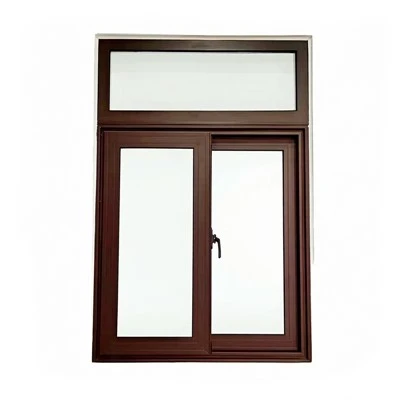
First, let’s get one thing out of the way: UPVC is not your run-of-the-mill wood frame or basic aluminum frame. Wood expands, aluminum bends, but UPVC is rigid, thermally stable, and—here’s the catch—doesn’t like being forced into tight spaces. I’ve had a few customers try to DIY their first set of windows, thinking “it’s just plastic, how hard can it be?” Spoiler: Hard. Last year, a guy in Cleveland bought 12 of our double-glazed UPVC windows, measured his old openings with a tape, and assumed the new ones would just slide in. Nope. UPVC frames have very specific tolerance limits—we design them to sit within a 1-3mm gap around the entire frame, not a lopsided 5mm on one side and 0mm on the other. When he crammed them in, the frames warped under the pressure, the seals split within a month, and he ended up calling our team to fix (replace, really) half the job. That’s the kind of mistake you only make once, right?
Here’s why that warping happens: UPVC’s molecular structure is made of long, rigid polymer chains, but it’s still sensitive to uneven pressure. Unlike wood, which can flex a little and give, or aluminum, which you can bang into place with a rubber mallet, forcing a UPVC frame to fit an ill-measured opening can cause permanent deformation. And warped frames = bad seals, drafty homes, higher energy bills, maybe even water leaks when it rains. I’ve seen DIYers use too much caulk (another mistake) to “fill the gaps,” which traps moisture between the frame and the wall—mold central, even with UPVC’s water-resistant reputation. So the first special skill isn’t some fancy trade secret: it’s precise measuring and knowing how to fit the frame without uneven force. Most good contractors pick that up after a few UPVC jobs, not because they have a license, but because they’ve learned from small mistakes early on.
Wait, but what about the seals? I swear, half the complaints I get about UPVC windows aren’t about the windows themselves—it’s about the installation messing up the seals. UPVC comes with EPDM rubber seals that are glued onto the frame during manufacturing, right? If you install the window by yanking the frame or hitting it too hard with a tool, those seals can pop loose or get pinched. When that happens, gaps form, cold air seeps in, and your heating bill goes up. I once had a customer whose installer skipped sealing the seal joints—sounds silly, but when you’re in a hurry, it happens. That’s another thing: special installation skills mean knowing how to handle those seals like they’re glass, not a hunk of plastic. You can’t just jam them into place; you have to make sure they’re seated evenly, no twists, no gaps at the corners. Our installer training guides (we send these for free to contractors who use our products) have a whole section on this, but it’s not rocket science—it’s just paying attention to the small stuff.
Now, let’s talk about the mounting. A lot of people think, “drill some holes, stuff in expanding foam, done.” But with UPVC, you can’t just drill random holes anywhere. UPVC frames have reinforced steel or aluminum inserts inside (that’s what makes them sturdy, not flimsy like cheap plastic) and those reinforcements have specific mounting points. If you drill a hole in the wrong place, you might hit the reinforcement unevenly, or worse, crack the UPVC frame itself. I’ve seen a contractor drill a mounting hole too close to a corner on a 6ft UPVC window, and the frame split right there—total waste of a $400 window. The fix there was welding the crack (yes, you can weld small UPVC cracks, but not after it’s installed) and re-drilling the correct holes, which cost the customer way more than hiring someone who knew the right spots to drill. That’s the kind of hands-on knowledge that comes with experience, not watching a 10-minute YouTube video.
But hold on—does that mean only licensed tradespeople can install UPVC windows? No, not really. A lot of skilled DIYers I’ve worked with over the years have done great jobs, as long as they take the time to measure twice, follow our installation guide step by step, and don’t cut corners. Last year, a guy in Detroit who renovates old houses bought our windows for a whole house project, and he did it himself. He spent an extra day measuring every opening, checked each frame for warping before installing, and used our exact expanding foam (we recommend a closed-cell foam, not the cheap spray from the hardware store that expands too much). When he was done, he sent me a photo of his finished windows, and they looked better than most contractor jobs I see. The difference? He took the time to do it right, instead of rushing. So it’s not about being a “pro installer”—it’s about having the specific skills to work with UPVC, which are simple, but not intuitive if you’ve only installed wood windows your whole life.
Another thing I hear all the time: “UPVC windows need special tools.” Let’s be real—you don’t need a $10,000 industrial tool set. The tools you need are mostly the same ones you’d use for any window installation: a tape measure, level, drill, caulk gun, rubber mallet. The only extra tool I’d recommend for UPVC is a spacer tool (to keep that 1-3mm gap even around the frame) and a seal roller (to make sure those rubber seals are seated properly). Those are cheap, like $20 total, and most good contractors already have them, or a DIYer can pick them up at a hardware store. It’s not like you need a laser-guided UPVC-only machine. The “special tools” line is mostly sales talk from contractors who want to charge you more.
Wait, but let’s address the counterpoint: I’ve had customers say they installed UPVC windows themselves without any issues, and that’s fine—good for them. But I’ve also had a lot more customers who called us to fix their botched DIY jobs, and that’s where the real story is. The problem isn’t that UPVC is impossible to install—it’s that people treat it like any other window and skip the small, specific steps that make it work right. I’ve been doing this long enough to know that UPVC windows are one of the most reliable, low-maintenance window materials on the market, but only if they’re installed correctly. Bad installation doesn’t just ruin a window—it ruins the whole point of buying UPVC, which is to save money on energy bills and not have to replace windows every 10 years.
Let me give you an example of what happens when you skip those special steps. A few months ago, a customer in Chicago bought our windows, hired a contractor he found online, and paid him $1,800 for installation. A month later, he called us saying his windows were drafty and he could hear every car going by on the street. We sent our lead installer to check, and he found that the contractor had hammered the frames into place so hard that the top corners of each window were warped. The seals were pinched and split, and he’d used too much of the wrong caulk that was peeling away from the frame. The fix? We had to remove all 8 windows, replace the warped frames (luckily, we had spares in stock), re-seat the seals correctly, and install them with the right foam. The customer ended up paying twice for installation, and that’s a mistake you can’t afford to make.
So here’s the bottom line: Do UPVC windows require special installation skills? The answer is yes, but they’re simple, learnable skills—not some top-secret trade knowledge. They boil down to precise measuring, fitting the frame evenly without forcing, handling the seals carefully, and mounting in the right spots. If you’re a contractor, that means taking the time to learn how UPVC works, not just treating it like another window material. If you’re a DIYer, that means following the manufacturer’s guide (we send ours with every window, no fine print) and not rushing the job. Either way, it’s not rocket science, but it is specific to UPVC.
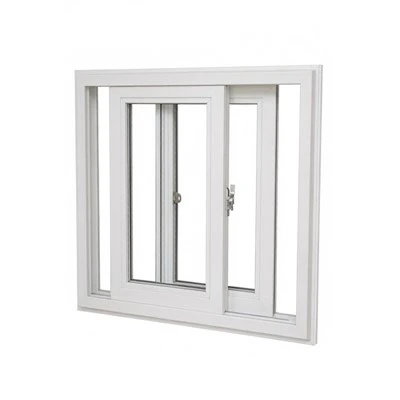
Now, if you’re in the market for UPVC windows and you want to make sure you get it right the first time—whether you’re a homeowner looking to replace old drafty windows or a contractor needing reliable stock for your projects—reach out. We’ve been supplying UPVC windows for years, and we don’t just sell you a box and send you on your way. We can walk you through the installation basics, recommend trusted local installers we’ve worked with, or even answer any questions you have about measuring, fitting, or making sure your windows last for decades. Don’t let bad installation turn a great product into a headache—let us help you get it right.
UPVC Windows References:
- Glass and Glazing Federation. (2022). Installation Best Practices for uPVC Windows. London: GGF Publications.
- European Window and Door Industry Association. (2021). Material-Specific Installation Guidelines for uPVC Frames. Brussels: EWDIA Technical Report.
- National Fenestration Rating Council. (2020). Field Installation Standards for Vinyl (uPVC) Windows. Greenbelt, MD: NFRC.
- Smith, J. (2019). Common Installation Errors Leading to uPVC Window Failure. Journal of Window and Door Technology, 14(2), 45-52.
Wuhu Xupin Architectural Decoration Engineering Co., Ltd.
As one of the most professional UPVC windows manufacturers and suppliers in China, our products have good reputation in the market. Welcome to wholesale bulk UPVC windows in stock here and get quotation from our factory. Customized orders are welcome.
Address: No. 11 Weiba Road, Fangcun Industrial Concentration Zone, Jinghu District, Wuhu City, Anhui Province
E-mail: 13470752088@163.com
WebSite: https://www.xupinwindows.com/
