Alright, folks! As a supplier of trunnion mounted ball valves, I’ve seen firsthand the ins and outs of what goes into the cost of these bad boys. So, let’s dive right in and talk about the cost factors associated with trunnion mounted ball valves. Trunnion Mounted Ball Valves
Material Costs
One of the biggest factors that affect the cost of trunnion mounted ball valves is the material used to make them. You see, these valves can be made from a variety of materials, each with its own price tag.
Metal Alloys
Stainless steel is a popular choice for trunnion mounted ball valves because it’s corrosion – resistant and durable. But high – grade stainless steel can be pretty pricey. The cost of stainless steel fluctuates based on the market price of raw materials like nickel and chromium. For example, if there’s a shortage of nickel, the price of stainless steel will go up, and so will the cost of the valves made from it.
Carbon steel is another option. It’s generally less expensive than stainless steel, but it may not be as suitable for applications where corrosion is a major concern. However, for some industrial settings where the environment is less harsh, carbon steel valves can be a cost – effective choice.
Alloy steels are also used, especially in high – pressure and high – temperature applications. These alloys are engineered to have specific properties, like high strength and resistance to wear. But developing and producing these specialized alloys is costly, which in turn drives up the price of the valves.
Non – Metal Materials
In some cases, non – metal materials are used in trunnion mounted ball valves. For example, PTFE (polytetrafluoroethylene) is often used as a seat material because of its low friction and chemical resistance. The cost of PTFE can vary depending on the quality and quantity needed. If you need a large amount of high – purity PTFE for a valve, it can add a significant amount to the overall cost.
Manufacturing Complexity
The way trunnion mounted ball valves are made also plays a huge role in their cost.
Precision Machining
Trunnion mounted ball valves require a high level of precision machining. The ball inside the valve needs to be perfectly spherical, and the seats need to be machined to exact specifications to ensure a tight seal. This precision machining requires specialized equipment and highly skilled operators. The cost of maintaining and operating this equipment, as well as paying the skilled workers, is factored into the price of the valves.
For instance, if a valve has a complex design with a non – standard size or shape, it will take more time and effort to machine. This additional labor and machine time will increase the cost of production.
Assembly and Testing
Once the individual parts are machined, they need to be assembled into a complete valve. The assembly process must be done carefully to ensure that all the components fit together correctly. After assembly, the valve undergoes rigorous testing to ensure it meets the required performance standards.
Testing can include pressure testing, leak testing, and performance testing under different conditions. The equipment used for testing is expensive, and the time spent on testing also adds to the cost. If a valve fails a test, it may need to be reworked or even scrapped, which further increases the overall cost of production.
Size and Pressure Rating
The size and pressure rating of a trunnion mounted ball valve have a direct impact on its cost.
Size
Bigger valves generally cost more than smaller ones. This is because they require more material to manufacture. For example, a large – diameter trunnion mounted ball valve needs a bigger ball,更长的 stems, and larger bodies. More material means higher material costs.
In addition, larger valves may be more difficult to machine and assemble. They may require larger and more expensive machining equipment, and the assembly process may be more labor – intensive.
Pressure Rating
Valves with higher pressure ratings are also more expensive. To withstand higher pressures, the valve components need to be stronger and more robust. This often means using thicker walls, stronger materials, and more complex designs.
For example, a valve designed to operate at 10,000 psi (pounds per square inch) will need to be made from high – strength materials and have a more reinforced structure compared to a valve designed for 1,000 psi. The development and production of these high – pressure – rated valves are more costly due to the engineering and material requirements.
Design and Customization
The design of the trunnion mounted ball valve and the level of customization also affect the cost.
Standard vs. Custom Designs
A standard – design valve, which is mass – produced in a common size and configuration, is usually less expensive. Manufacturers can take advantage of economies of scale when producing standard valves, which helps to keep the cost down.
On the other hand, custom – designed valves are more costly. These valves are tailored to the specific needs of a customer, such as a unique connection type, a special operating temperature range, or an unusual flow rate requirement. Designing and producing a custom valve requires additional engineering work, which increases the cost.
Additional Features
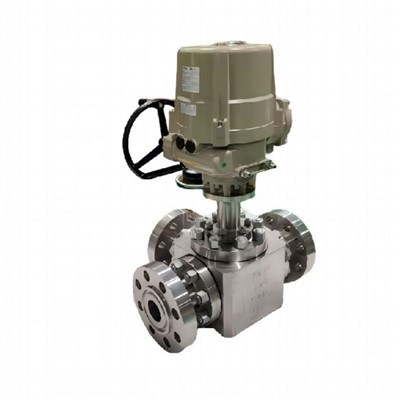
Some customers may request additional features on their trunnion mounted ball valves. For example, a valve with a built – in position indicator or a valve that is designed to be operated remotely via an actuator. These additional features add to the complexity of the valve and, therefore, increase the cost.
Market Conditions and Supply Chain
The overall market conditions and the state of the supply chain can also influence the cost of trunnion mounted ball valves.
Market Demand
If the demand for trunnion mounted ball valves is high, the prices are likely to go up. When there are more customers looking to buy valves, manufacturers may increase the prices to maximize their profits. Conversely, if the demand is low, manufacturers may offer discounts to attract customers.
Supply Chain Disruptions
Supply chain disruptions can have a significant impact on the cost of valves. For example, if there’s a strike at a steel mill, the supply of steel for valve manufacturing may be interrupted. This can lead to shortages and price increases. Similarly, transportation issues, like port closures or shipping delays, can also drive up the cost of getting the raw materials and finished products to the right places.
So, there you have it, folks! These are the main cost factors associated with trunnion mounted ball valves. As a supplier, I know that understanding these factors can help you make more informed decisions when it comes to purchasing valves for your projects.
Solenoid Valves If you’re in the market for trunnion mounted ball valves and want to discuss your specific needs, feel free to reach out. I’m happy to have a chat and see how we can work together to get you the best – value valves for your application.
References
- "Valve Handbook: Principles and Applications", by Schlumberger
- "Engineering for High – Pressure Applications", an industry – specific technical manual
Wuxi PYNOS Flow-tech Co., Ltd.
As one of the leading trunnion mounted ball valves manufacturers and suppliers in China, we offer a wide range of products with superior quality. We warmly welcome you to buy high quality trunnion mounted ball valves made in China here from our factory. We also accept customized orders.
Address: Sales Center: 7th Floor, No.19 Qingyuan RD, Wuxi City, Jiangsu Prov., China
E-mail: Info@pynosvalve.com
WebSite: https://www.pynosvalves.com/
