In today’s highly competitive business landscape, the influence of processing technology on a company’s competitiveness cannot be overstated. As a dedicated processing technology supplier, I have witnessed firsthand how the right processing solutions can transform a company’s operations, product quality, and market standing. Processing Technology
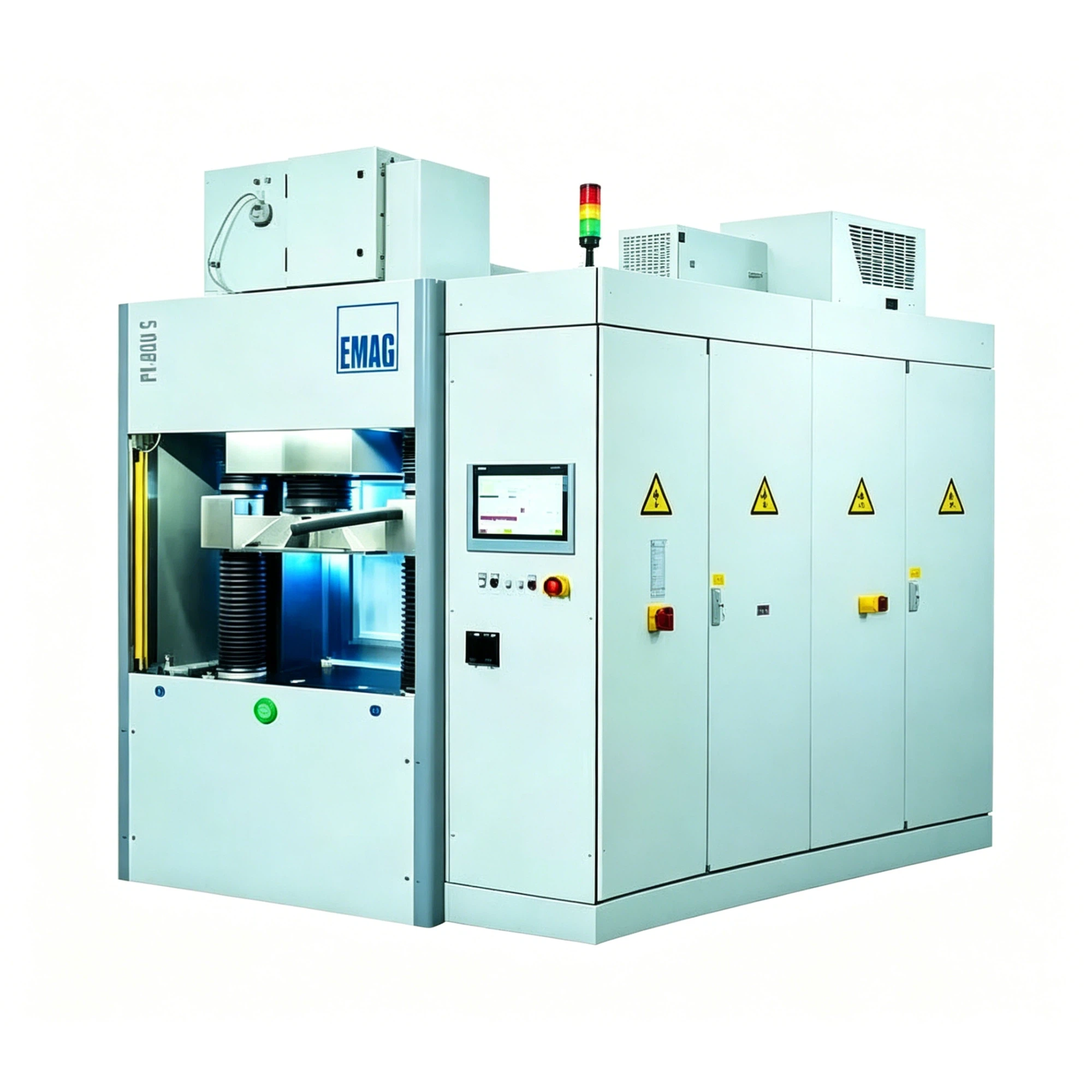
Processing technology encompasses a wide range of techniques and systems used to transform raw materials into finished products. This includes everything from manufacturing processes such as machining, molding, and assembly to data – processing and software algorithms in the digital realm. When a company effectively deploys advanced processing technology, it can gain several key advantages that set it apart from the competition.
Product Quality and Consistency
One of the most significant ways processing technology impacts a company’s competitiveness is through product quality. Advanced processing techniques allow for greater precision and control during the manufacturing process. For example, in the automotive industry, computer – numerical – control (CNC) machining enables the production of engine components with extremely tight tolerances. This precision ensures that engines run more smoothly, have better fuel efficiency, and are more reliable. As a result, automakers that invest in high – end CNC processing technology can offer vehicles of superior quality, attracting more customers and commanding higher prices.
Consistency is another crucial aspect of product quality. With the help of automated processing systems, a company can ensure that every unit of its product meets the same high standards. This is particularly important in industries like electronics, where even minor variations in component quality can lead to significant performance issues. For instance, a smartphone manufacturer using robotic assembly lines for circuit board production can guarantee that each device has the same functionality and reliability. This consistency builds customer trust and loyalty, giving the company a strong competitive edge in the market.
Cost Efficiency
Processing technology can also play a vital role in reducing a company’s production costs. Automation is a prime example of how technology can drive cost savings. By replacing manual labor with automated machinery, companies can reduce labor costs, eliminate human error, and increase production speed. In a large – scale food processing plant, for instance, automated sorting and packaging systems can handle a much higher volume of products per hour than human workers. This not only reduces labor expenses but also improves productivity, allowing the company to produce more products at a lower cost per unit.
Moreover, advanced processing technology can optimize the use of raw materials. For example, in the metalworking industry, computer – aided manufacturing (CAM) systems can design cutting patterns that minimize waste. By using materials more efficiently, companies can reduce their raw material costs and improve their bottom line. In addition, newer processing technologies often consume less energy, which further contributes to cost savings and enhances the company’s environmental sustainability.
Innovation and New Product Development
In a rapidly evolving market, the ability to innovate and develop new products is essential for a company’s survival and growth. Processing technology serves as a catalyst for innovation. It enables companies to explore new materials, manufacturing methods, and product designs that were previously not feasible. For example, 3D printing technology has revolutionized product development in many industries. With 3D printers, companies can quickly produce prototypes, test different designs, and make adjustments in a short period. This iterative design process allows for faster innovation and reduces the time to market for new products.
In the healthcare industry, advanced processing technologies have led to the development of new medical devices and treatments. For example, microfabrication techniques are used to create miniature sensors and implants that can monitor a patient’s health in real – time. These innovative products not only improve patient outcomes but also open up new market opportunities for medical device manufacturers. As a processing technology supplier, I have seen how our clients have leveraged our cutting – edge solutions to pioneer new products and gain a first – mover advantage in the market.
Flexibility and Responsiveness
In today’s dynamic market, customer demands can change rapidly. A company that can quickly adapt to these changes and adjust its production processes has a significant competitive advantage. Processing technology provides the flexibility needed to respond to market fluctuations. Flexible manufacturing systems (FMS), for example, allow companies to switch between different product types and production volumes with minimal setup time. This means that a company can produce a variety of customized products to meet the specific needs of its customers.
In the fashion industry, for instance, companies are increasingly using digital printing and cutting technologies to produce small – batch, customized clothing. This allows them to respond quickly to changing fashion trends and customer preferences. By being more flexible and responsive, companies can better meet customer demands, improve customer satisfaction, and stay ahead of the competition.
Supply Chain Optimization
Processing technology also has a profound impact on a company’s supply chain. By integrating advanced processing systems with supply chain management software, companies can achieve greater visibility and control over their entire supply chain. For example, in the logistics industry, real – time data processing and analytics can be used to optimize transportation routes, manage inventory levels, and improve delivery times.
In the manufacturing sector, companies can use processing technology to implement just – in – time (JIT) production systems. JIT systems rely on accurate data processing and communication between suppliers, manufacturers, and customers to ensure that materials are delivered exactly when they are needed in the production process. This reduces inventory costs, minimizes waste, and improves overall supply chain efficiency.
Challenges in Adopting Processing Technology
While the benefits of processing technology are clear, there are also challenges that companies face when adopting new technologies. One of the main challenges is the high initial investment required. Implementing advanced processing systems often involves significant capital expenditures on equipment, software, and employee training. For small and medium – sized enterprises (SMEs), these costs can be prohibitive, making it difficult for them to keep up with larger competitors.
Another challenge is the need for skilled workers. Advanced processing technologies require employees with specialized knowledge and skills. However, there is often a shortage of such workers in the market. Companies may need to invest in training programs to upskill their existing workforce or recruit new talent, which can add to the overall cost of technology adoption.
In addition, companies also need to ensure the compatibility of new processing technologies with their existing systems. Integrating new technology into an existing production environment can be complex and time – consuming. It may require significant modifications to the company’s infrastructure, processes, and management systems.
Our Role as a Processing Technology Supplier
As a processing technology supplier, our mission is to help companies overcome these challenges and harness the power of processing technology to enhance their competitiveness. We offer a wide range of processing solutions tailored to the specific needs of different industries. Our team of experts works closely with clients to understand their business goals and recommend the most suitable technologies and systems.
We provide comprehensive support throughout the implementation process, from installation and training to ongoing maintenance and technical support. We also offer financing options to help companies manage the initial investment required for technology adoption. By partnering with us, companies can access the latest processing technologies without having to bear the full burden of upfront costs.
In conclusion, processing technology has a far – reaching impact on a company’s competitiveness. It can improve product quality, reduce costs, drive innovation, enhance flexibility, and optimize the supply chain. However, adopting new processing technologies also comes with challenges. As a processing technology supplier, we are committed to assisting companies in navigating these challenges and leveraging technology to achieve sustainable growth and success.
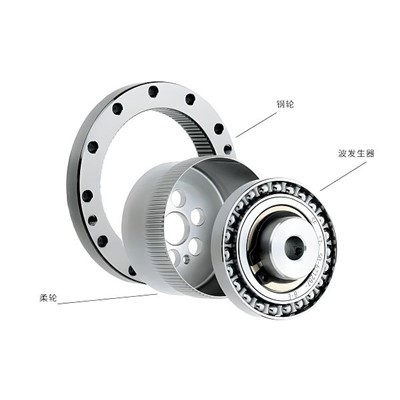
If you are interested in exploring how our processing technology solutions can enhance your company’s competitiveness, we invite you to contact us to start a procurement negotiation. We look forward to the opportunity to work with you and help your business thrive.
Artificial Heart Parts References
- Groover, M. P. (2017). Fundamentals of Modern Manufacturing: Materials, Processes, and Systems. John Wiley & Sons.
- Hamel, G., & Prahalad, C. K. (1990). The core competence of the corporation. Harvard Business Review, 68(3), 79 – 91.
- Porter, M. E. (1985). Competitive Advantage: Creating and Sustaining Superior Performance. The Free Press.
Jiangsu Zhengfang Dynamics Technology Co., Ltd.
As one of the most professional processing technology manufacturers and suppliers in China, we’re featured by quality products and good price. Please rest assured to buy customized processing technology made in China here from our factory. Contact us for pricelist.
Address: Building 3, No. 69 Feitian Avenue, Jiangning District, Nanjing City, Jiangsu Province
E-mail: hanks.liu@zfdynamics.com
WebSite: https://www.zhengfangdongli.com/
