Aluminum panels are versatile materials widely used in various industries, including construction, automotive, and manufacturing. As an aluminum panel supplier, I understand the importance of knowing how to cut these panels properly. In this blog, I’ll share some professional insights on cutting aluminum panels, covering different methods, necessary tools, safety precautions, and more. Aluminum Panel

Understanding Aluminum Panels
Before we delve into the cutting process, it’s crucial to understand the characteristics of aluminum panels. Aluminum is a lightweight, corrosion – resistant metal with good ductility. The most common types of aluminum panels we supply are 1100, 3003, and 5052 alloys, each with different properties.
1100 aluminum panels are commercially pure aluminum, offering excellent corrosion resistance and high workability. They are often used in applications where formability is a primary concern, such as decorative trim. 3003 panels are alloyed with manganese, increasing their strength compared to 1100. They are commonly used in items like cabinets and storage containers. 5052 panels, alloyed with magnesium, have higher strength and better fatigue resistance, suitable for applications in the aerospace and marine industries.
Cutting Methods and Tools
Manual Cutting
- Hacksaw: For thin aluminum panels (less than 1/8 inch thick), a hacksaw can be a simple and cost – effective cutting tool. When using a hacksaw, choose a blade with fine teeth, such as a 32 – tooth – per – inch blade, to ensure a smooth cut. Secure the panel firmly to a workbench to prevent it from moving during cutting. Apply steady pressure and use long, smooth strokes to cut through the panel.
- Tin Snips: Tin snips are another manual option for cutting thin aluminum sheets. There are two main types: straight – cut and curved – cut tin snips. Straight – cut tin snips are used for making straight cuts, while curved – cut tin snips are suitable for cutting curves and circles. When using tin snips, make sure the cutting edges are sharp, and cut slowly to avoid jagged edges.
Power Cutting
- Circular Saw: A circular saw is a popular choice for cutting thicker aluminum panels. To use a circular saw, you need a blade specifically designed for cutting aluminum. Carbide – tipped blades with a high tooth count (60 – 80 teeth) work well for achieving a smooth cut. Set the saw blade at the appropriate depth, usually slightly deeper than the thickness of the panel. Before cutting, mark the cutting line on the panel clearly. Then, power on the saw and guide it along the marked line steadily.
- Jigsaw: A jigsaw is ideal for making intricate cuts and curves in aluminum panels. Similar to a circular saw, it requires a special blade for cutting aluminum. T – shank jig saw blades with fine teeth are often used. Clamp the panel firmly to a workbench. Insert the blade into the jigsaw and adjust the speed according to the thickness of the panel. Start the jigsaw and carefully guide it along the cutting line.
- Band Saw: A band saw is suitable for cutting long, straight lines in aluminum panels. It uses a continuous band of toothed metal to cut through the material. Select a blade with a proper tooth pitch based on the thickness of the panel. For thinner panels, a blade with a finer tooth pitch is recommended. Secure the panel in the band saw’s vice or clamping mechanism and turn on the saw. Feed the panel slowly and steadily through the blade.
CNC Cutting
For large – scale production and high – precision cutting, Computer Numerical Control (CNC) cutting is an excellent option. CNC cutting machines can be programmed to cut aluminum panels into various shapes with high accuracy. They can use different cutting methods, such as laser cutting or plasma cutting.
- Laser Cutting: Laser cutting is a non – contact cutting method that uses a high – power laser beam to melt and vaporize the aluminum. It offers precise cuts, minimal heat – affected zones, and can cut complex shapes quickly. The disadvantage is that it is relatively expensive for small – scale production.
- Plasma Cutting: Plasma cutting uses a high – velocity jet of ionized gas to cut through the aluminum. It is suitable for cutting thicker aluminum panels and can cut at a relatively fast speed. However, plasma cutting may produce more heat – affected zones and rougher edges compared to laser cutting.
Safety Precautions
Cutting aluminum panels can be dangerous if proper safety precautions are not taken. Here are some important safety tips:
- Eye Protection: Wear safety goggles to protect your eyes from flying aluminum chips and dust.
- Hearing Protection: Power tools, especially those with high – speed motors, can produce loud noise. Wear earplugs or earmuffs to prevent hearing damage.
- Gloves: Wear heat – resistant and cut – resistant gloves to protect your hands from sharp edges and hot metal.
- Ventilation: When using power tools or CNC cutting machines, ensure proper ventilation in the workspace to remove fumes and dust.
- Tool Safety: Always follow the manufacturer’s instructions when using tools. Keep tools in good condition and check for any damage before use.
Post – Cutting Finishing
After cutting the aluminum panels, it’s often necessary to perform some finishing work to improve the appearance and functionality of the panels.
- Deburring: Use a deburring tool or sandpaper to remove any burrs or sharp edges from the cut surface. This not only makes the panel safer to handle but also improves its aesthetic appeal.
- Sanding: Sand the cut edges to smooth them further. Start with a coarse – grit sandpaper and gradually move to a finer – grit sandpaper for a polished finish.
- Cleaning: Clean the panels with a suitable cleaner to remove any cutting debris, oil, or dust. This is especially important if the panels will be painted or powder – coated later.
How Our Aluminum Panels Ensure a Good Cutting Experience
As an aluminum panel supplier, we are committed to providing high – quality panels that are easy to cut. Our panels are manufactured with strict quality control standards, ensuring uniform thickness and consistent material properties. This uniformity is crucial for achieving clean and accurate cuts, whether you are using manual or power cutting methods.
We offer a wide range of panel thicknesses and alloy types to meet different cutting requirements. Our team of experts can provide technical support to help you choose the right panel for your specific project. We can also offer advice on the most suitable cutting methods and tools based on the type of panel you select.
Contact Us for Your Aluminum Panel Needs
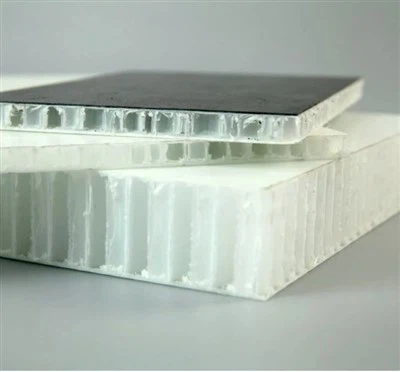
If you are in the market for high – quality aluminum panels, we are here to assist you. Our company has years of experience in supplying aluminum panels to various industries. We can provide you with competitive prices, reliable delivery, and excellent customer service.
Aluminum Honeycomb Panel Whether you are a small – scale DIY enthusiast or a large – scale industrial manufacturer, we have the right aluminum panels for you. If you have any questions about cutting aluminum panels, panel selection, or any other related issues, feel free to contact us. We look forward to discussing your project and helping you find the best aluminum panel solutions.
References
- American Society for Testing and Materials (ASTM) standards on aluminum materials
- Machinery’s Handbook, which provides detailed information on metal cutting processes and tools.
- Professional publications on the manufacturing and processing of aluminum, such as "Aluminum: Technology, Applications and Environment"
Zhejiang Jusen Building Materials Technology Co., Ltd.
We’re well-known as one of the leading aluminum panel manufacturers and suppliers in China, also support custom service. Please feel free to wholesale high quality aluminum panel made in China here from our factory. For more information, contact us now.
Address: No.7, Tongyuan Shiquan Industrial Park, Haiyan County, Jiaxing City, Zhejiang Province
E-mail: sales@jusenzj.com
WebSite: https://www.honeycomb-js.com/
