Hey there! I’m a supplier of Temperature Control Units (TCUs), and I often get asked about the electrical requirements for these nifty devices. So, I thought I’d break it all down for you in this blog post. Temperature Control Unit
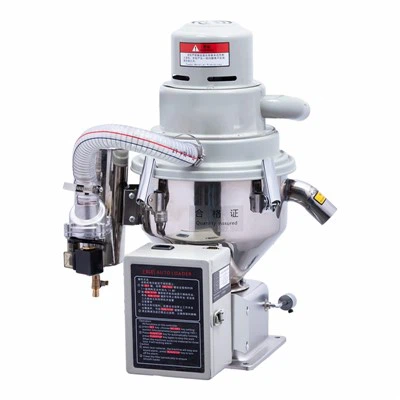
Let’s start with the basics. A Temperature Control Unit is a piece of equipment that helps maintain a specific temperature in a process or system. It’s used in a wide range of industries, from manufacturing to food and beverage, and even in some medical applications. And just like any other electrical device, it has its own set of electrical requirements.
Voltage Requirements
One of the first things you need to consider when it comes to the electrical requirements of a TCU is the voltage. Most TCUs are designed to operate on standard electrical voltages, such as 110V or 220V. However, the specific voltage requirement can vary depending on the size and type of the TCU.
For smaller TCUs, like those used in laboratory settings or for small-scale processes, 110V is often sufficient. These units typically have lower power consumption and can operate on a single-phase electrical supply. On the other hand, larger TCUs, such as those used in industrial manufacturing or large-scale heating and cooling applications, usually require 220V or even higher voltages. These units often have three-phase electrical supplies to handle the higher power demands.
It’s important to make sure that the electrical supply in your facility matches the voltage requirement of the TCU. Using the wrong voltage can not only damage the TCU but also pose a safety hazard. If you’re not sure about the voltage requirements of your TCU, it’s always a good idea to consult the manufacturer’s specifications or a qualified electrician.
Power Consumption
Another important factor to consider is the power consumption of the TCU. The power consumption is measured in kilowatts (kW) and indicates how much electrical energy the TCU uses to operate. The power consumption of a TCU can vary depending on several factors, including the size of the unit, the temperature range it needs to maintain, and the type of heating or cooling system it uses.
Smaller TCUs typically have lower power consumption, ranging from a few hundred watts to a couple of kilowatts. These units are suitable for applications where the temperature control requirements are relatively low. Larger TCUs, on the other hand, can have power consumption of several kilowatts or even more. These units are used in applications where high-capacity heating or cooling is required.
When choosing a TCU, it’s important to consider the power consumption and make sure that your electrical supply can handle the load. If your electrical supply is not sufficient, you may need to upgrade your electrical system or choose a TCU with a lower power consumption.
Electrical Protection
In addition to voltage and power consumption, it’s also important to consider the electrical protection requirements of the TCU. Electrical protection is essential to prevent damage to the TCU and to ensure the safety of the operators.
Most TCUs are equipped with built-in electrical protection devices, such as circuit breakers and fuses. These devices are designed to automatically shut off the power in case of an electrical fault, such as a short circuit or an overload. It’s important to make sure that these protection devices are properly installed and maintained to ensure their effectiveness.
In addition to the built-in protection devices, it’s also a good idea to use external electrical protection devices, such as surge protectors and ground fault circuit interrupters (GFCIs). Surge protectors help protect the TCU from voltage spikes and surges, which can damage the electrical components. GFCIs, on the other hand, help protect the operators from electrical shock by detecting and interrupting the electrical current in case of a ground fault.
Electrical Wiring
Proper electrical wiring is also crucial for the safe and efficient operation of the TCU. The electrical wiring should be installed by a qualified electrician and should comply with the local electrical codes and regulations.
The electrical wiring should be sized appropriately to handle the power requirements of the TCU. Using undersized wiring can cause overheating and can damage the electrical components. It’s also important to make sure that the wiring is properly grounded to prevent electrical shock.
In addition to the wiring, it’s also important to make sure that the electrical connections are tight and secure. Loose connections can cause arcing and can lead to electrical fires. It’s a good idea to regularly inspect the electrical connections and tighten them if necessary.
Frequency Requirements
In some cases, the frequency of the electrical supply can also be a factor to consider. Most electrical supplies in the United States operate at a frequency of 60 Hz, while in other countries, the frequency may be 50 Hz.
Most TCUs are designed to operate on either 50 Hz or 60 Hz electrical supplies. However, it’s important to make sure that the TCU you choose is compatible with the frequency of your electrical supply. Using a TCU that is not compatible with the frequency of your electrical supply can cause the unit to operate inefficiently or even damage the electrical components.
Other Considerations
In addition to the electrical requirements mentioned above, there are a few other things to consider when it comes to the electrical requirements of a TCU.
One of these is the ambient temperature. The ambient temperature can affect the performance of the TCU and can also affect the electrical components. It’s important to make sure that the TCU is installed in an environment where the ambient temperature is within the recommended range.
Another consideration is the humidity. High humidity can cause corrosion and can damage the electrical components. It’s important to make sure that the TCU is installed in an environment where the humidity is within the recommended range.
Finally, it’s important to make sure that the TCU is properly maintained. Regular maintenance can help prevent electrical problems and can ensure the safe and efficient operation of the unit.
Conclusion
So, there you have it! The electrical requirements for a Temperature Control Unit are an important consideration when choosing and installing a TCU. By understanding the voltage, power consumption, electrical protection, wiring, frequency, and other factors, you can ensure that your TCU operates safely and efficiently.
If you have any questions or need more information about the electrical requirements of a TCU, don’t hesitate to reach out. We’re here to help you find the right TCU for your needs and to ensure that it’s installed and operated correctly. Whether you’re a small business or a large industrial facility, we’ve got the expertise and the products to meet your temperature control needs.
Temperature Control Unit References
- Manufacturer’s specifications for Temperature Control Units
- Electrical codes and regulations in your area
- Industry standards for electrical safety in temperature control applications
Ningbo Yalishi (Arlex) Plastic Machinery Co., Ltd.
Ningbo Yalishi(Arlex) Plastic Machinery Co., Ltd. is one of the most reliable temperature control unit manufacturers and suppliers in China, featured by quality products and low price. Please rest assured to wholesale cheap temperature control unit made in China here from our factory. Customized orders are welcome.
Address: No.63, Huangsu East Road, Industrial Zone, Dongqian Lake Tourist Resort, Ningbo, Zhejiang Province
E-mail: leo@arlex.cn
WebSite: https://www.arleximm.com/
