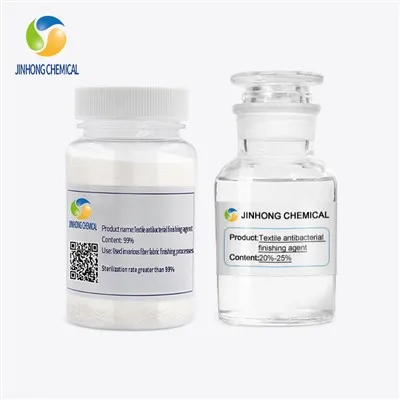
Polyhexamethylene biguanide (PHMB) and silver-based disinfectants are two prominent players in the disinfection market, each with its own set of characteristics, advantages, and limitations. As a supplier of PHMB, I’m often asked how it stacks up against silver-based disinfectants. In this blog post, I’ll delve into a comprehensive comparison of these two types of disinfectants, exploring aspects such as efficacy, safety, cost, and environmental impact. Polyhexamethylene Biguanide
Efficacy
One of the primary considerations when choosing a disinfectant is its ability to effectively kill or inhibit the growth of microorganisms. Both PHMB and silver-based disinfectants have demonstrated broad-spectrum antimicrobial activity.
PHMB works by disrupting the cell membranes of microorganisms. When it comes into contact with bacteria, viruses, or fungi, it binds to the negatively charged components of the cell membrane, causing it to become more permeable. This leads to the leakage of intracellular contents and ultimately the death of the microorganism. Studies have shown that PHMB is highly effective against a wide range of pathogens, including Gram-positive and Gram-negative bacteria, fungi, and some viruses. For example, it has been used in the treatment of wound infections, as it can quickly eliminate common wound pathogens such as Staphylococcus aureus and Pseudomonas aeruginosa.
Silver-based disinfectants, on the other hand, exert their antimicrobial effects through multiple mechanisms. Silver ions can interact with the thiol groups of proteins in microorganisms, disrupting their structure and function. They can also bind to DNA, preventing replication. Silver is also known to generate reactive oxygen species (ROS) within the microbial cell, which can cause oxidative damage to cellular components. Silver-based disinfectants are effective against a variety of bacteria, viruses, and fungi. They are commonly used in medical devices, water treatment, and textile applications.
In terms of efficacy, both PHMB and silver-based disinfectants are effective against a broad range of microorganisms. However, the specific effectiveness can vary depending on the type of pathogen and the environmental conditions. For example, in some cases, PHMB may be more effective against certain types of bacteria in a high – organic – matter environment, as it is less likely to be inactivated by organic substances compared to some silver – based formulations.
Safety
Safety is a crucial factor, especially when the disinfectant is used in applications where it may come into contact with humans or animals.
PHMB is generally considered to be a safe disinfectant. It has low toxicity to mammalian cells. In fact, PHMB has been used in a variety of consumer products such as contact lens solutions, personal care products, and wound dressings. It is well – tolerated by the skin and mucous membranes, and adverse reactions are relatively rare. When used in appropriate concentrations, PHMB does not pose a significant risk of irritation or systemic toxicity.
Silver-based disinfectants also have a relatively good safety profile. However, there are some concerns associated with silver. Prolonged or excessive exposure to silver can lead to a condition called argyria, which causes a permanent gray – blue discoloration of the skin, eyes, and internal organs. Although this is a rare occurrence, it is a potential risk, especially in applications where there is long – term or repeated exposure. Additionally, some people may be allergic to silver, which can cause skin rashes and other allergic reactions.
In general, PHMB offers a more straightforward safety profile, especially for applications where there is direct contact with the human body.
Cost
Cost is an important consideration for both consumers and businesses. The cost of a disinfectant can depend on factors such as raw material prices, production processes, and market demand.
PHMB is relatively cost – effective. The raw materials used in the production of PHMB are readily available, and the manufacturing processes are well – established. This allows for a relatively stable and competitive pricing structure. As a supplier, I can offer PHMB at a reasonable price, making it an attractive option for large – scale applications such as water treatment, industrial disinfection, and consumer product manufacturing.
Silver-based disinfectants, on the other hand, can be more expensive. Silver is a precious metal, and its price can be volatile. The production of silver – based disinfectants often involves complex processes to ensure the proper dispersion and stabilization of silver particles or ions. These factors contribute to a higher cost of silver – based disinfectants compared to PHMB.
Environmental Impact
In today’s world, environmental considerations are becoming increasingly important. The environmental impact of a disinfectant can be evaluated in terms of its biodegradability, toxicity to the environment, and potential for bioaccumulation.
PHMB is biodegradable under certain conditions. It can be broken down by microorganisms in the environment, reducing its long – term persistence. Additionally, PHMB has low toxicity to aquatic organisms when used in appropriate concentrations. This makes it a more environmentally friendly option for applications such as water treatment and agricultural disinfection.
Silver-based disinfectants, however, can have some environmental concerns. Silver is a heavy metal, and it can accumulate in the environment over time. High levels of silver in the environment can be toxic to aquatic organisms, including fish, invertebrates, and algae. The release of silver – based disinfectants into water bodies without proper treatment can have negative impacts on the ecosystem.
Applications
Both PHMB and silver – based disinfectants have a wide range of applications, but their suitability can vary depending on the specific requirements of the application.
PHMB is commonly used in the following applications:
- Wound care: Its low toxicity and high efficacy against wound pathogens make it an ideal ingredient in wound dressings and antiseptic solutions.
- Water treatment: PHMB can effectively disinfect water by killing bacteria, viruses, and fungi. It is used in swimming pools, hot tubs, and industrial water treatment systems.
- Personal care products: It is used in products such as shampoos, body washes, and hand sanitizers due to its antimicrobial properties and good safety profile.
Silver – based disinfectants are often used in:
- Medical devices: Silver coatings on medical devices such as catheters and implants can help prevent infections.
- Textiles: Silver – impregnated textiles are used in sportswear, bedding, and hospital linens to provide antimicrobial properties.
- Air purification: Silver – based filters can be used in air purifiers to remove microorganisms from the air.
Conclusion
In conclusion, both Polyhexamethylene biguanide (PHMB) and silver – based disinfectants have their own unique strengths. PHMB offers a combination of high efficacy, good safety, cost – effectiveness, and environmental friendliness. It is a versatile disinfectant suitable for a wide range of applications, especially those where direct contact with humans or the environment is involved.
Silver – based disinfectants, while effective, come with some concerns regarding safety, cost, and environmental impact. However, they also have niche applications where their properties are particularly advantageous, such as in medical devices and high – end textiles.
As a supplier of PHMB, I believe that PHMB is a superior choice in many situations. Its well – balanced performance makes it a reliable and practical option for businesses and consumers looking for an effective disinfection solution.
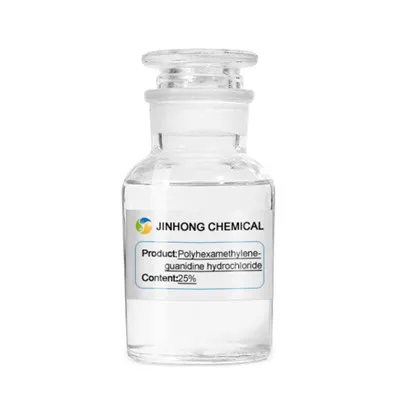
Polyhexamethylene Guanidine If you are interested in learning more about our PHMB products or have questions about specific applications, I encourage you to reach out for a detailed discussion. We can provide you with samples, technical support, and pricing information to help you make an informed decision for your disinfection needs.
References
- McDonnell, G., & Russell, A. D. (1999). Antiseptics and disinfectants: activity, action, and resistance. Clinical microbiology reviews, 12(1), 147 – 179.
- Feng, Q. L., Wu, J., Chen, G. Q., Cui, F. Z., Kim, T. N., & Kim, J. O. (2000). A mechanistic study of the antibacterial effect of silver ions on Escherichia coli and Staphylococcus aureus. Journal of biomedical materials research, 52(4), 662 – 668.
- Maillard, J. Y. (2002). Resistance of bacterial biofilms to disinfectants: a review. Journal of hospital infection, 52(1), 19 – 34.
Hebei Jinhong Chemical Co., Ltd.
Hebei Jinhong Chemical Co., Ltd. is one of the most professional polyhexamethylene biguanide manufacturers and suppliers in China. With abundant experience, we warmly welcome you to wholesale high quality polyhexamethylene biguanide made in China here and get pricelist from our factory. For price consultation, contact us.
Address: North of Fazhan Road, East of Qingyuan Road, Nanbao Development Zone, Tangshan City, Hebei Province
E-mail: kevin@hbjhchemical.com
WebSite: https://www.hbjhchemical.com/
