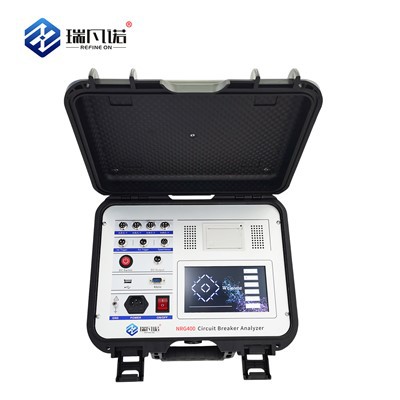
As a provider of transformer testers, I’ve witnessed firsthand the crucial role these devices play in maintaining the safety and efficiency of transformers. One of the most important functions of a transformer tester is to assess the insulation integrity of a transformer. In this blog, I’ll delve into the process of how a transformer tester conducts this vital test. Transformer Tester
Understanding the Importance of Insulation Integrity
Before we explore the testing process, it’s essential to understand why insulation integrity is so critical in transformers. The insulation in a transformer serves several key purposes. Firstly, it prevents electrical current from flowing where it shouldn’t, ensuring the safe and efficient operation of the transformer. Secondly, it helps to maintain the electrical isolation between different parts of the transformer, such as the primary and secondary windings. A breakdown in insulation can lead to short circuits, electrical arcing, and even fires, which can cause significant damage to the transformer and pose a serious safety risk.
Types of Insulation Testing
There are several types of tests that a transformer tester can perform to assess the insulation integrity of a transformer. These tests can be broadly categorized into two main types: non – destructive tests and destructive tests. Non – destructive tests are the most commonly used as they allow for the assessment of insulation without causing any damage to the transformer. Destructive tests, on the other hand, are typically used in research or in cases where the transformer is already suspected to be faulty and is due for replacement.
Non – Destructive Tests
- Insulation Resistance Test
The insulation resistance test is one of the most basic and widely used non – destructive tests. It measures the resistance of the insulation between the windings and the ground or between different windings. A transformer tester applies a direct current (DC) voltage to the insulation and measures the resulting current. According to Ohm’s law (R = V/I), the insulation resistance can be calculated. A high insulation resistance value indicates good insulation, while a low value may suggest moisture, contamination, or damage to the insulation.
The test is usually performed at a specific voltage, typically 500V, 1000V, or 2500V, depending on the rating of the transformer. The tester will record the insulation resistance value over a period of time, usually 60 seconds. This is known as the "1 – minute insulation resistance" measurement. In some cases, the tester may also measure the insulation resistance over a longer period, such as 10 minutes, to observe any changes in the resistance value, which can provide additional information about the condition of the insulation.
-
Polarization Index (PI) Test
The polarization index test is an extension of the insulation resistance test. It measures the ratio of the insulation resistance at 10 minutes to the insulation resistance at 1 minute. A healthy insulation system will typically have a PI value greater than 2. A lower PI value may indicate moisture or contamination in the insulation. The PI test is more sensitive than the simple insulation resistance test and can provide an early indication of potential insulation problems. -
Dielectric Absorption Ratio (DAR) Test
Similar to the PI test, the dielectric absorption ratio test measures the ratio of the insulation resistance at 60 seconds to the insulation resistance at 30 seconds. A DAR value greater than 1.3 is generally considered to indicate good insulation. This test is also useful for detecting moisture and other insulation issues. -
Capacitance and Dissipation Factor (tan δ) Test
The capacitance and dissipation factor test measures the capacitance and the dissipation factor (also known as the power factor) of the insulation. The capacitance of the insulation is related to its physical properties, such as the thickness and the dielectric constant. The dissipation factor, on the other hand, is a measure of the energy loss in the insulation due to dielectric heating. A high dissipation factor value may indicate insulation degradation, moisture, or contamination.
A transformer tester applies an alternating current (AC) voltage to the insulation and measures the current and the phase angle between the voltage and the current. From these measurements, the capacitance and the dissipation factor can be calculated. This test is more complex than the insulation resistance test but provides more detailed information about the condition of the insulation.
Destructive Tests
-
Impulse Testing
Impulse testing involves applying a high – voltage impulse to the transformer windings to simulate the effects of lightning strikes or other transient overvoltages. The tester measures the response of the insulation to the impulse, including the peak voltage, the duration of the impulse, and the shape of the voltage waveform. If the insulation fails during the impulse test, it indicates a serious problem with the insulation system. -
Partial Discharge Testing
Partial discharge testing is used to detect small electrical discharges that occur within the insulation. These discharges can cause gradual degradation of the insulation over time. A transformer tester uses sensitive sensors to detect the partial discharges and measures their magnitude, frequency, and location. This test is often performed in a laboratory environment under controlled conditions.
The Testing Process
The process of testing the insulation integrity of a transformer using a transformer tester typically involves the following steps:
-
Preparation
Before the test, the transformer must be isolated from the power supply and all other electrical connections. The tester should be calibrated to ensure accurate measurements. The test environment should be clean and dry, as moisture and contamination can affect the test results. -
Initial Checks
The tester will perform some initial checks, such as measuring the resistance of the windings to ensure that they are not short – circuited. This is a preliminary step to ensure that the transformer is in a condition suitable for insulation testing. -
Insulation Resistance Test
The insulation resistance test is usually the first test to be performed. The tester will connect the test leads to the appropriate terminals of the transformer and apply the DC voltage. The insulation resistance value will be recorded, and if necessary, the PI or DAR values will also be calculated. -
Capacitance and Dissipation Factor Test
If the insulation resistance test results are satisfactory, the capacitance and dissipation factor test may be performed. The tester will apply an AC voltage to the insulation and measure the capacitance and the dissipation factor. The test results will be analyzed to determine the condition of the insulation. -
Additional Tests
Depending on the results of the initial tests and the specific requirements of the transformer, additional tests such as impulse testing or partial discharge testing may be performed. These tests are more complex and require specialized equipment and expertise. -
Reporting
After the tests are completed, the tester will generate a detailed report of the test results. The report will include the measured values, the analysis of the results, and any recommendations for further action, such as maintenance or replacement of the transformer.
Why Choose Our Transformer Testers
Our transformer testers are designed to provide accurate and reliable insulation testing results. They are equipped with the latest technology and features to ensure that the tests are performed efficiently and safely. Our testers are easy to use, even for operators with limited experience. They also come with comprehensive user manuals and technical support to assist you in conducting the tests.
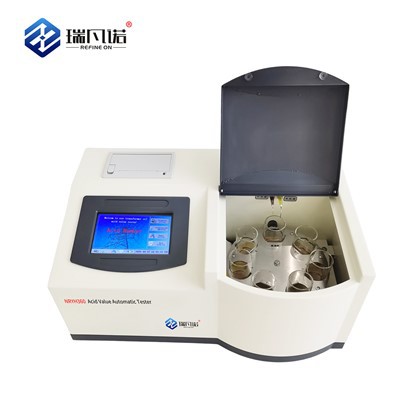
In addition, our transformer testers are built to last. They are made from high – quality materials and are designed to withstand harsh environmental conditions. We offer a wide range of models to suit different types and ratings of transformers. Whether you are testing a small distribution transformer or a large power transformer, we have a tester that will meet your needs.
Hipot Tester If you are in the market for a transformer tester to test the insulation integrity of your transformers, we encourage you to contact us for a detailed discussion. Our team of experts is ready to help you choose the right tester for your specific requirements and to provide you with the best possible service. We believe that our transformer testers will not only help you ensure the safety and efficiency of your transformers but also save you time and money in the long run.
References
- "Transformer Testing Handbook" by James H. Harlow
- "Insulation Testing of Electrical Equipment" by IEEE Standards Association
- "Power Transformer Engineering: Design and Application" by J. Lewis Blackburn and Thomas J. Domin
Refine On (Hebei) Electric Power Technology Co., Ltd.
Refine On (Hebei) Electric Power Technology Co., Ltd. is one of the most reliable transformer tester manufacturers and suppliers in China, also supports customized service. Please feel free to wholesale advanced transformer tester at competitive price from our factory. Contact us for quotation.
Address: Building 13, Liandong U Valley, No.64, Jing SAN South Street, Economic Development Zone, Mancheng District, Baoding City, China
E-mail: victor@transformer-test.com
WebSite: https://www.transformer-test.com/
