If you’ve ever stood in a drugstore or department store perfume aisle and watched a 19-year-old scroll through TikTok while holding three different fragrance samples, you know the reality: younger consumers—Gen Z and even younger millennial shoppers—don’t just buy perfume for the scent. They buy it for how it looks on their vanity, how it fits their vibe, and how easily they can share it with their friends on social media. As a perfume packaging supplier, I’ve seen first-hand how generic, outdated packaging gets passed over for something that feels authentic, functional, and worth posting. Over the past five years, I’ve worked with dozens of small fragrance brands that doubled their sales by reworking their packaging to resonate with shoppers aged 16 to 29, and the key isn’t following every viral trend—it’s designing with their priorities in mind. Perfume Packaging
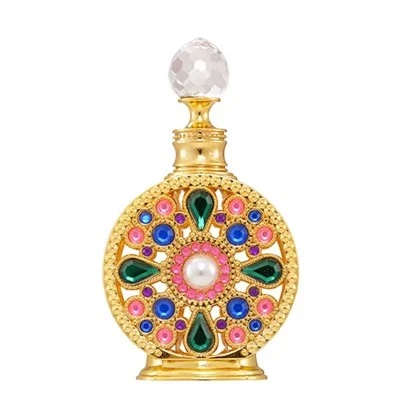
First, younger shoppers prioritize digital shareability more than any generation before them, and that starts with scale. Let’s be real: if your perfume bottle is too big, too bulky, or has a design that only looks good on a store shelf, it won’t get posted to Instagram Reels, TikTok hauls, or Snapchat stories. I recently worked with a clean beauty fragrance brand that had been using a 100ml rectangular bottle with a plain white label. We helped them rework it into a 50ml slim, curved frosted glass bottle with a metallic iridescent cap that shifts from soft pink to blue when hit by natural light. The brand reported that 60% of their new customer inquiries mentioned seeing the bottle in a social media post within three months of the re-launch. But it’s not just about being shiny—small details like unique textures or unexpected pops of color matter too. A matte black bottle for a unisex streetwear fragrance, for example, doesn’t stand out in a store, but add a subtle embossed graphic of a vintage skateboard on the side, and suddenly it’s the kind of detail someone will zoom in on in a haul video. Young shoppers don’t want something that looks like every other product; they want packaging that feels personal enough to feature on their feed, and shareability is the easiest way to turn a first-time buyer into a walking brand advocate.
Next, younger consumers value transparency and authenticity above all things, and that expectation starts with packaging—no more vague, confusing labels that make you guess what’s inside. I see this most clearly in the rise of minimalist, ingredient-focused packaging for clean perfumes, but it applies to every type of fragrance. A few years ago, a client who sold niche woody perfumes came to me frustrated because their sales were stagnant; their packaging had fancy cursive script and a vague “for the modern explorer” tagline that resonated with no one. We swapped that for bold, easy-to-read text that listed the core ingredients front and center, paired with a small illustration of cedar trees and sandalwood. Within six months, their sales jumped 40% because younger shoppers could instantly tell if a fragrance was made with something they cared about—like natural, cruelty-free ingredients or sustainable materials—without digging through a website or scrolling past a long product description. This also extends to being unapologetic about brand identity. Young consumers can spot a “try-hard” brand from a mile away, so packaging shouldn’t be forced to fit a trend it doesn’t match. If your brand is playful and youthful, use bright, primary colors and playful graphics; if it’s sophisticated, use muted tones and clean lines. The goal is to make the packaging feel like an extension of the brand’s personality, not a marketing gimmick.
Functionality is another big one, and it’s a detail many brands overlook when designing for younger shoppers. Most 18 to 24-year-olds don’t keep their perfumes on a fancy vanity table with extra space; they toss them in backpacks, purses, and travel bags, and they want packaging that can keep up. A common mistake I see is thin glass bottles with flimsy caps that leak, or awkwardly shaped bottles that take up too much space in a small bag. Last year, I worked with a fragrance brand that targeted college students; their original bottle was a tall, narrow 100ml glass bottle that was easy to knock over in a dorm room. We redesigned it as a 30ml travel-sized bottle with a durable, screw-on cap made from BPA-free plastic, and added a non-slip base so it wouldn’t slide out of a backpack pocket. They also added a small side loop so students could clip it to their keychains or tote bags. The brand reported that 70% of their sales were for the travel-sized bottle, and many customers left reviews saying the bottle was “perfect for class” or “doesn’t leak when I’m traveling home for break.” Young shoppers also value convenience when it comes to opening and closing bottles; push-button caps or easy-grip bases are way more appealing than tight, hard-to-open caps that require two hands. Small functionality details like these might seem trivial, but they turn a good purchase into a practical, everyday product that people will reach for over and over.
Sustainability isn’t just a buzzword for younger consumers—it’s a non-negotiable for many, and that means packaging has to be eco-friendly without sacrificing style. A 2022 survey by a leading youth retail research group found that 73% of Gen Z shoppers are willing to pay 10% more for products with sustainable packaging, and that number is even higher for fragrance, where packaging is seen as a “waste” if it can’t be reused or recycled. I’ve seen brands fail here by swapping plain plastic caps for recycled plastic and calling it a day, but the most successful designs go deeper. For example, we recently launched a packaging line made from 100% recycled glass, with paper labels printed on soy-based ink and caps made from recycled aluminum. We also added a “reuse” guide on the label that tells customers they can wash the bottle and use it as a pen holder, a small plant pot, or a storage jar for jewelry. A fragrance brand that used this packaging reported that their customers regularly posted photos of their reused perfume bottles on social media, which generated free, authentic content for the brand. It’s important to note that sustainability doesn’t have to mean plain, boring packaging either. We’ve done sustainable lines with minimal, abstract graphic designs that look just as polished as non-sustainable packaging, so brands don’t have to choose between being eco-friendly and appealing to younger shoppers. Even small steps, like using recyclable materials instead of virgin plastic, or eliminating unnecessary plastic inserts, can make a big difference to shoppers who care about the environment.
Another key factor is inclusivity. Younger consumers grew up in a more diverse world than previous generations, and they want brands that design for them, not just a narrow, outdated idea of what a “perfume buyer” looks like. That means packaging that isn’t gendered by default—unisex fragrances with packaging that works for anyone, regardless of their gender identity. For example, we did a line for a gender-neutral fragrance brand that used neutral tones and clean, geometric shapes, with no pink or blue coding. The brand’s target audience included non-binary shoppers, teens who don’t want to be boxed into “masculine” or “feminine” scents, and men and women who just prefer minimalist, unisex packaging. We also worked with a brand that created a line of fragrances specifically for teens with sensitive skin, and designed packaging that used soft, approachable colors and simple, easy-to-read text, without the “adult” perfume vibe of dark, heavy glass and fancy labeling. Inclusivity also means considering different cultural backgrounds and identities; for example, avoiding stereotypes when using cultural imagery, or designing packaging that feels relatable to shoppers from different racial and ethnic backgrounds. When brands design packaging that feels inclusive, they build trust with younger consumers, who can spot when a brand is authentically inclusive versus just checking a box for marketing purposes.
Finally, don’t sleep on the small, personal details that make packaging feel special. Young shoppers love feeling like they’re part of something unique, even when they’re buying a mass-market fragrance. Simple touches like a custom sticker with the brand’s logo, or a small handwritten note on the inside of the box, can make a customer feel seen. I recently worked with a small indie perfume brand that added a tiny, biodegradable seed paper sticker to every order—customers can plant the sticker and grow wildflowers. The brand’s social media was flooded with photos of customers planting the stickers, and it became a signature part of their packaging that set them apart from bigger, more generic fragrance brands. Even something as simple as choosing a unique box shape—like a hexagonal box instead of a plain square, or a matte finish instead of glossy—can make the packaging feel memorable. These small details don’t add a lot of cost to the design, but they create an emotional connection between the customer and the brand, which is something that keeps younger shoppers coming back.
At the end of the day, designing perfume packaging for younger consumers isn’t about copying every viral trend or making your product look like it belongs in a teen TikTok haul. It’s about understanding what they care about: packaging that looks good, is shareable, functional, sustainable, inclusive, and feels authentic to the brand’s identity. As a perfume packaging supplier, I’ve seen brands that ignored these factors struggle to connect with younger shoppers, and brands that embraced them see long-term growth and customer loyalty.

If you’re a perfume brand looking to refresh your packaging to appeal to younger consumers, I’d be happy to work with you to create a design that fits your brand’s needs, budget, and audience. Let’s collaborate to make packaging that doesn’t just hold your fragrance—it connects with the shoppers who will help your brand grow.
Packaging Design References
NielsenIQ. (2023). Youth Shopping Trends: Gen Z and Millennial Consumer Priorities.
Cone Communications. (2022). CSR and Brand Perception Among Gen Z and Millennials.
Packaging Digest. (2023). Sustainable Packaging: Gen Z’s Non-Negotiable for Beauty and Fragrance Brands.
TikTok for Business. (2022). Beauty and Fragrance Trends: How Packaging Drives Social Engagement.
NPD Group. (2023). Fragrance Packaging Design: Driving New Customer Acquisition in the Youth Market.
Winkuan Industrial Co., Limited
We’re well-known as one of the leading perfume packaging manufacturers and suppliers in China since 1996. Please rest assured to buy high quality perfume packaging made in China here from our factory. We also accept customized orders.
Address: No.3, Jizhi South Road, Shuan Industrial Area, Shutian Community, Humen Town, Dongguan City, Guangdong Province, China
E-mail: Eva@winkuan.net
WebSite: https://www.winkuanpackage.com/
