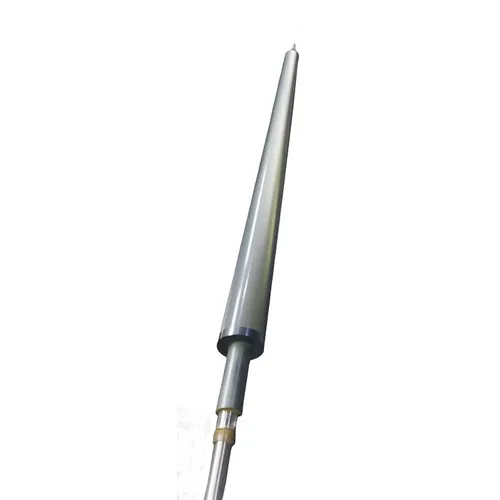
The ceramic anilox roller is a critical component in the printing and coating industries, known for its precision in ink and coating transfer. As a supplier of ceramic anilox rollers, I’ve encountered numerous inquiries about their hardness. Understanding the hardness of a ceramic anilox roller is essential for both manufacturers and end – users, as it directly impacts the roller’s performance, durability, and cost – effectiveness. Ceramic Anilox Roller
What is Hardness in the Context of Ceramic Anilox Rollers?
Hardness, in materials science, is the ability of a material to resist deformation, indentation, scratching, and wear. For ceramic anilox rollers, hardness is a measure of how well the ceramic surface can withstand the mechanical stresses it encounters during the printing or coating process. A harder roller will generally have a longer lifespan, better resistance to abrasion from the doctor blade, and more consistent ink or coating transfer.
The most common method of measuring the hardness of ceramic materials is the Vickers hardness test. In this test, a diamond indenter in the shape of a square – based pyramid is pressed into the surface of the ceramic material under a specific load. The size of the indentation left on the surface is then measured, and from this measurement, the Vickers hardness number (HV) is calculated.
Ceramic anilox rollers typically have a high Vickers hardness rating, often in the range of 1,000 – 2,000 HV. This high hardness is due to the nature of the ceramic materials used in their production. The most prevalent ceramic material for anilox rollers is aluminum oxide (Al₂O₃), which has excellent hardness and chemical stability. Some advanced ceramic anilox rollers may also use silicon carbide (SiC), which has an even higher hardness than aluminum oxide.
Importance of Hardness in Ceramic Anilox Rollers
Durability
One of the primary reasons for the high hardness requirement in ceramic anilox rollers is durability. These rollers are constantly in contact with the doctor blade, which scrapes off the excess ink or coating from the roller surface. A softer roller would quickly wear down, leading to uneven ink transfer, increased maintenance costs, and a shorter lifespan.
For example, in a high – volume flexographic printing operation, the anilox roller can be in continuous use for hours or even days. The high hardness of the ceramic material ensures that the roller can withstand the repeated abrasion from the doctor blade without significant wear, maintaining consistent performance over time.
Ink Transfer Consistency
The hardness of the ceramic anilox roller also affects the consistency of ink or coating transfer. A hard roller surface maintains its precision engraving, which is crucial for accurate ink metering. The cells on the anilox roller surface are precisely engineered to hold a specific volume of ink or coating. If the roller surface is too soft and deforms easily, the shape and volume of the cells can change, leading to inconsistent ink transfer and poor print quality.
Chemical Resistance
In addition to mechanical durability, the high hardness of ceramic anilox rollers is often associated with excellent chemical resistance. Printing inks and coatings can contain various chemicals, solvents, and additives. A hard ceramic surface is less likely to react with these substances, preventing corrosion and degradation of the roller surface. This chemical resistance ensures that the roller can be used with a wide range of inks and coatings without compromising its performance.
Factors Affecting the Hardness of Ceramic Anilox Rollers
Ceramic Material Composition
The type of ceramic material used is the most significant factor affecting the hardness of anilox rollers. As mentioned earlier, aluminum oxide is a common choice due to its relatively high hardness, good chemical stability, and cost – effectiveness. Silicon carbide, on the other hand, offers superior hardness but is often more expensive and difficult to manufacture into anilox rollers.
The purity of the ceramic material also plays a role in its hardness. Higher – purity ceramics generally have fewer impurities, which can act as weak points in the material structure. These impurities can lead to reduced hardness and lower mechanical performance.
Manufacturing Process
The manufacturing process of ceramic anilox rollers can also influence their hardness. The most common method of creating ceramic anilox rollers is thermal spraying. In this process, ceramic powder is heated to a molten or semi – molten state and sprayed onto a metal core. The quality of the thermal spraying process, including the spraying parameters such as temperature, pressure, and powder feed rate, can affect the density and hardness of the ceramic coating.
A well – controlled thermal spraying process will result in a dense and uniform ceramic coating with high hardness. Post – treatment processes, such as grinding and polishing, can also improve the surface hardness and smoothness of the roller. However, improper post – treatment can lead to surface damage or reduction in hardness.
Heat Treatment
Heat treatment is another important factor in determining the hardness of ceramic anilox rollers. After the ceramic coating is applied, the roller may undergo a heat treatment process to further improve its hardness and mechanical properties. Heat treatment can help to eliminate internal stresses in the ceramic coating, increase its density, and enhance the bonding between the ceramic particles.
The specific heat treatment parameters, such as temperature, heating rate, and holding time, need to be carefully controlled to achieve the desired hardness without causing cracking or other defects in the ceramic coating.
Measuring and Ensuring the Hardness of Ceramic Anilox Rollers
As a supplier, we take several steps to ensure the hardness of our ceramic anilox rollers. First, we carefully select the ceramic materials based on their hardness and other properties. We work with high – quality ceramic suppliers to obtain materials with consistent purity and performance.
During the manufacturing process, we use advanced thermal spraying equipment and strict process control to ensure the uniformity and density of the ceramic coating. In – process quality control measures are implemented to monitor the thickness, hardness, and surface roughness of the ceramic coating.
We also conduct hardness testing on the finished rollers using the Vickers hardness test. Samples are taken from different parts of the roller surface to ensure that the hardness is consistent across the entire roller. If any variations are detected, appropriate adjustments are made to the manufacturing process to correct the issue.
Impact of Hardness on the Cost of Ceramic Anilox Rollers
The hardness of ceramic anilox rollers has a direct impact on their cost. Rollers made from harder ceramic materials, such as silicon carbide, are generally more expensive than those made from aluminum oxide. This is due to the higher cost of the raw materials and the more complex manufacturing processes required to work with these materials.
However, it’s important to consider the long – term cost – effectiveness of the rollers. A harder roller may have a higher upfront cost, but it can provide a longer service life and better performance, resulting in lower overall costs in the long run. For high – end printing applications where print quality and consistency are crucial, the investment in a harder ceramic anilox roller may be well worth it.
Conclusion
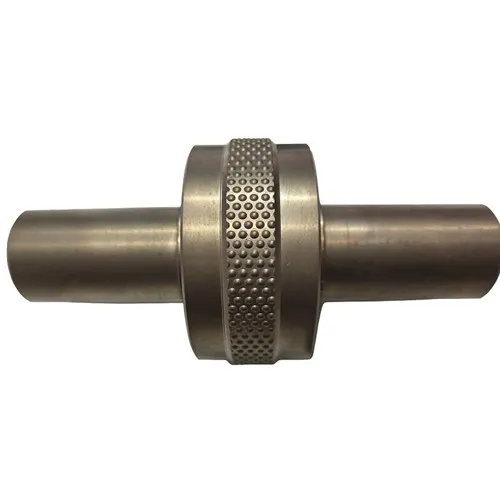
The hardness of a ceramic anilox roller is a critical property that affects its durability, ink transfer consistency, and chemical resistance. As a supplier, we understand the importance of providing rollers with the right hardness for our customers’ specific applications. By carefully selecting ceramic materials, controlling the manufacturing process, and conducting thorough quality control, we ensure that our ceramic anilox rollers meet the highest standards of hardness and performance.
Chrome Anilox Roller If you are in the market for ceramic anilox rollers and want to learn more about how the hardness can impact your printing or coating process, we are here to help. Our team of experts can provide you with detailed information and guidance to select the most suitable rollers for your needs. Contact us to start a discussion about your requirements and explore how our ceramic anilox rollers can enhance your production efficiency and print quality.
References
- Callister, W. D., & Rethwisch, D. G. (2010). Materials Science and Engineering: An Introduction. Wiley.
- Schowengerdt, R. A. (2007). Thermal Spray Coatings: From Technology to Application. ASM International.
- Troczynski, T. (2006). Structural Ceramics and Refractories. Wiley – VCH.
Kunshan Hanhan Co., Ltd.
We’re well-known as one of the leading ceramic anilox roller manufacturers and suppliers in China. We warmly welcome you to buy high quality ceramic anilox roller made in China here from our factory. If you have any enquiry about cooperation, please feel free to email us.
Address: No. 1093, B Zone, No. 2 Xugongqiao Rd, Huaqiao Town, Kunshan City, Suzhou, Jiangsu, China
E-mail: info@kshhroller.com
WebSite: https://www.kshh-roller.com/
