Yo, what’s up everyone! I’m a supplier of cold forged fasteners, and today I wanna chat about how to optimize the cold forging process for fasteners. Cold forging is a pretty crucial process in making high – quality fasteners, and getting it right can make a huge difference in the final product. Cold Forged Fasteners
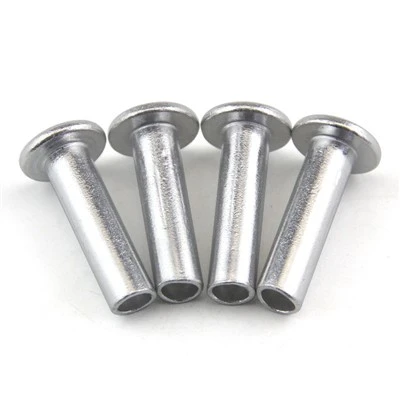
First off, let’s talk about material selection. This is like the foundation of the whole process. You gotta pick the right material for the job. Different applications call for different materials. For example, in automotive applications, you might need fasteners that can handle high stress and corrosion. In this case, materials like stainless steel or alloy steel are great choices. Stainless steel is corrosion – resistant, which is super important in environments where the fasteners are exposed to moisture or chemicals. Alloy steel, on the other hand, offers high strength.
When you’re choosing the material, you also need to consider its mechanical properties. Things like hardness, ductility, and tensile strength matter a lot. You don’t want a material that’s too brittle, or it might crack during the cold forging process. At the same time, it should be hard enough to maintain its shape and function under stress.
Another key aspect of material selection is the quality of the raw material. You don’t wanna cut corners here. Make sure you’re getting your raw materials from a reliable supplier. I’ve seen some cases where using low – quality materials led to a high rate of defective fasteners. It’s just not worth it in the long run.
Now, let’s move on to pre – treatment of the material. Before you start the cold forging process, pre – treatment is essential. One common pre – treatment is annealing. Annealing helps to soften the material, making it easier to deform during forging. It reduces internal stresses in the material and improves its ductility. This means you can shape the fastener more easily without causing cracks or other defects.
Another important pre – treatment step is lubrication. Applying a good lubricant to the material surface is like giving it a smooth ride through the forging dies. It reduces friction between the material and the dies, which has a couple of benefits. Firstly, it helps to prevent wear and tear on the dies, which can save you a lot of money in the long run. Secondly, it improves the surface finish of the fastener. A well – lubricated forging process results in a smoother, more uniform surface on the fastener.
When it comes to the cold forging process itself, the dies are a big deal. The design of the forging dies needs to be spot – on. You need dies that can accurately shape the fastener to the desired dimensions. The die design should take into account the material’s flow characteristics during forging. If the die design is wrong, you might end up with fasteners that have uneven thickness, or they might not be fully formed.
Maintenance of the dies is also crucial. Over time, the dies will wear out due to the high pressure and friction during the forging process. Regular inspection and maintenance can extend the life of the dies. You should check for signs of wear, such as cracks or surface damage, and repair or replace the dies as needed.
The control of the forging speed is another factor to optimize the process. The speed at which you forge the fasteners can affect their quality. If the forging speed is too fast, the material may not have enough time to flow properly, leading to defects. On the other hand, if the speed is too slow, it can reduce the production efficiency. You need to find the right balance based on the material you’re using and the design of the fastener.
Monitoring the process is also important. You can use sensors to measure things like temperature, pressure, and force during the forging process. This data can help you understand how the process is going and make adjustments if needed. For example, if the temperature is too high, it might cause the material to overheat and lose its desired properties. By monitoring the temperature, you can take steps to cool the process down.
After the forging process, post – treatment is just as important as pre – treatment. Heat treatment is a common post – treatment method. It can improve the hardness, strength, and toughness of the fasteners. For example, quenching and tempering can increase the strength of the steel fasteners.
Surface treatment is another post – treatment step. Applying a coating to the fasteners can enhance their corrosion resistance, appearance, and sometimes even their electrical properties. Zinc plating is a popular surface treatment for fasteners. It provides a protective layer that helps to prevent rust.
In addition to the technical aspects, quality control is an ongoing process. You need to have a rigorous quality control system in place. This includes inspecting the raw materials, monitoring the forging process, and checking the final products. You can use various inspection methods, such as dimensional inspection, hardness testing, and non – destructive testing.
Now, if you’re in the market for high – quality cold forged fasteners, you know that optimizing the forging process is crucial. As a supplier who’s been in the game for a while, I’ve got the skills and the know – how to produce top – notch fasteners. Whether you need fasteners for automotive, construction, or any other industry, I can provide products that meet your standards.
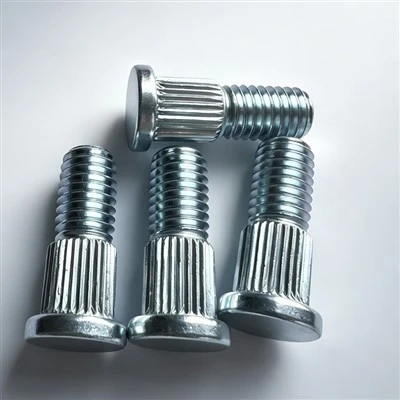
If you’re interested in learning more about our cold forged fasteners or want to discuss a potential purchase, don’t hesitate to reach out. I’d be more than happy to have a chat with you about your specific needs and how we can work together to get you the best fasteners at a great price. Let’s make your next project a success with our high – quality cold forged fasteners!
Pin Shaft References:
- "Cold Forging Technology" by some industry experts
- Various research papers on materials science for fasteners
Wuyuan Jieyi Automotive Electrical Appliance Co., Ltd.
As one of the most professional cold forged fasteners manufacturers and suppliers in China, we’re featured by quality products and good service. Please rest assured to wholesale bulk durable cold forged fasteners in stock here from our factory. We also accept customized orders.
Address: No. 7 Likeng Road, Industrial Park Wuyuan County, Shangrao City, Jiangxi Province
E-mail: wyjydqz@163.com
WebSite: https://www.wyjydq.com/
